
Advanced diagnosis, specialised neurosurgery and multidisciplinary care for international patients.
When epilepsy cannot be controlled with medication, surgery may offer the opportunity to significantly reduce or even eliminate seizures. For carefully selected patients, surgical treatment can improve not only seizure control but also independence, cognitive function and overall quality of life.
Barcelona has become one of Europe’s leading destinations for complex neurological care, bringing together internationally recognised neurologists, specialised neurosurgeons, advanced imaging technologies and multidisciplinary epilepsy programmes. Through Barcelona International Hospitals (BIH), international patients can access highly specialised centres offering comprehensive evaluation and personalised treatment for both adult and paediatric epilepsy.
Key Facts About Epilepsy Surgery
- Around 30% of people with epilepsy continue to experience seizures despite appropriate medication.
- Drug-resistant epilepsy does not necessarily mean lifelong uncontrolled seizures.
- Surgery may offer long-term seizure freedom or significant seizure reduction for carefully selected patients.
- Successful treatment requires comprehensive evaluation by a multidisciplinary epilepsy team.
- Barcelona is home to internationally recognised hospitals specialising in complex neurological disorders and epilepsy surgery.
What Is Drug-Resistant Epilepsy?
Epilepsy is one of the most common neurological disorders worldwide, affecting approximately 50 million people. It causes recurrent seizures resulting from abnormal electrical activity within the brain. While many patients achieve good seizure control with anti-seizure medication, this is not always the case.
When seizures continue despite trying at least two appropriately selected anti-seizure medications, the condition is known as drug-resistant epilepsy, also referred to as refractory or pharmacoresistant epilepsy.
Persistent seizures can affect almost every aspect of daily life, including education, employment, driving, independence, emotional wellbeing and personal relationships. They also increase the risk of injuries, hospital admissions and sudden unexpected death in epilepsy (SUDEP).
Fortunately, medication is not the only available treatment. Thanks to advances in neurology, neuroimaging and functional neurosurgery, many patients with drug-resistant epilepsy may benefit from comprehensive evaluation at specialised epilepsy centres where surgical treatment can be considered.
When Should Epilepsy Surgery Be Considered?
Not every person with epilepsy requires surgery. However, when seizures remain uncontrolled despite appropriate medication, referral to a specialised epilepsy centre should not be delayed. Early evaluation allows specialists to determine whether surgery or other advanced therapies may improve long-term outcomes.
International guidelines recommend that patients with drug-resistant epilepsy undergo assessment at dedicated epilepsy centres where multidisciplinary teams can identify the most appropriate treatment strategy.
Patients may be considered for surgical evaluation if they:
- Continue experiencing seizures despite trying two or more anti-seizure medications.
- Have focal epilepsy with an identifiable seizure focus.
- Experience seizures that significantly affect daily life, education or employment.
- Develop medication side effects that limit quality of life.
- Are considered suitable candidates following multidisciplinary assessment.
Why Early Evaluation Matters
Many patients live with uncontrolled epilepsy for years before being referred to a specialised centre. Early assessment may increase access to advanced treatment options, reduce seizure-related complications and improve long-term quality of life.
Seeking a second opinion at an experienced epilepsy centre can also help confirm the diagnosis, review previous investigations and explore whether surgical treatment or innovative therapies may be appropriate.

How Is Epilepsy Evaluated Before Surgery?
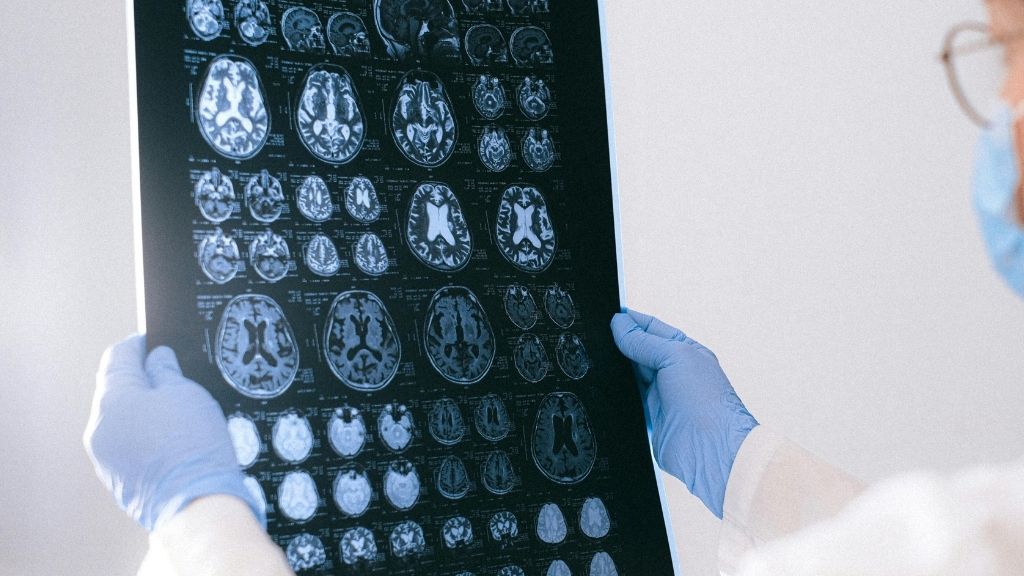
Epilepsy surgery is never based on a single test. Before any procedure is considered, patients undergo a comprehensive evaluation designed to identify where seizures originate, understand how the brain functions and determine whether surgery can be performed safely.
This process combines advanced diagnostic imaging, neurophysiology and cognitive assessment, allowing specialists to create a personalised treatment plan for each patient.
| Diagnostic Test | Purpose |
|---|---|
| MRI | Identifies structural abnormalities within the brain. |
| Video EEG Monitoring | Records seizures while analysing brain electrical activity. |
| PET Scan | Detects areas of abnormal brain metabolism. |
| Neuropsychological Assessment | Evaluates memory, language and cognitive function. |
| Functional Brain Mapping | Identifies critical brain areas before surgery. |
| Multidisciplinary Review | Neurologists, neurosurgeons, neuroradiologists and neuropsychologists jointly determine the most appropriate treatment strategy. |
Types of Epilepsy Surgery
Epilepsy surgery is not a single procedure but a group of highly specialised treatments tailored to each patient’s condition. The most appropriate option depends on where seizures originate, the type of epilepsy and the patient’s overall neurological evaluation.
Resective Surgery
The most common epilepsy surgery. It removes the small area of the brain responsible for generating seizures while preserving critical neurological functions whenever possible.
Laser Interstitial Thermal Therapy (LITT)
A minimally invasive technique that destroys epileptic tissue using laser energy guided by MRI. Suitable for carefully selected patients.
Vagus Nerve Stimulation (VNS)
A small device implanted under the skin delivers electrical stimulation to the vagus nerve, helping reduce seizure frequency in patients who are not candidates for resective surgery.
Responsive Neurostimulation (RNS)
In selected cases, advanced neuromodulation therapies may be considered when resective surgery is not possible. The most appropriate option depends on the patient’s type of epilepsy, clinical evaluation and availability at the treating centre.
Corpus Callosotomy
Usually reserved for selected patients with severe epilepsy, this procedure reduces the spread of seizure activity between both hemispheres of the brain.
Advanced Epilepsy Care Across Barcelona International Hospitals
One of Barcelona’s greatest strengths is the concentration of internationally recognised hospitals with complementary expertise in complex neurological diseases. Through Barcelona International Hospitals (BIH), international patients can access specialised centres that collaborate across different stages of diagnosis, treatment and long-term neurological care.
SJD Barcelona Children’s Hospital
SJD Barcelona Children’s Hospital is internationally recognised for the diagnosis and treatment of complex neurological disorders in children. Its multidisciplinary neuroscience programmes include specialised care for paediatric epilepsy, combining advanced neuroimaging, functional neurosurgery and long-term follow-up for children with drug-resistant epilepsy.
Hospital Clínic Barcelona & barnaclínic+
Hospital Clínic Barcelona and barnaclínic+ contribute internationally recognised expertise in neurology, neurophysiology, advanced diagnostic imaging and clinical research. Their multidisciplinary approach supports patients with complex neurological disorders requiring highly specialised assessment and personalised treatment planning.
Centro Médico Teknon
Centro Médico Teknon offers advanced neurosurgical expertise and access to innovative surgical technologies that support the treatment of selected neurological conditions requiring highly specialised care.
Although each hospital contributes different areas of expertise, together they provide international patients with access to comprehensive neurological care, advanced technology and multidisciplinary decision-making throughout the treatment journey.
Patients interested in advanced neurological care may also find useful our article about Neurosurgery in Barcelona: Innovative Treatments for Brain Tumors and Complex Neurological Disorders.
Why a Second Opinion Can Make a Difference
Drug-resistant epilepsy is a highly specialised condition, and treatment decisions often require input from neurologists, neurosurgeons, neuroradiologists, neuropsychologists and epilepsy specialists. For many international patients, obtaining a second opinion provides reassurance and may open access to treatment options that were not previously considered.
A second opinion may help confirm the diagnosis, review previous imaging, determine whether surgery is appropriate and evaluate eligibility for advanced therapies available at specialised epilepsy centres.
| General Neurology Care | Specialised Epilepsy Centre |
|---|---|
| General neurological assessment | Dedicated multidisciplinary epilepsy programme |
| Standard MRI | Advanced neuroimaging and functional brain mapping |
| Medication management | Medical and surgical treatment options |
| Single specialist | Multidisciplinary epilepsy team |
Frequently Asked Questions About Epilepsy Surgery
Why choose Barcelona for epilepsy treatment?
How long does recovery take after an epilepsy surgery?
Can children undergo epilepsy surgery?
Who is a candidate for epilepsy surgery?
Is epilepsy surgery safe?
Can epilepsy surgery cure epilepsy?
What is drug-resistant epilepsy?
Contact Barcelona International Hospitals
If you are seeking a second opinion or specialised treatment for drug-resistant epilepsy, Barcelona International Hospitals can connect you with internationally recognised neurologists, neurosurgeons and specialised epilepsy centres across our network.