
Neuropathic pain is one of the most challenging symptoms experienced by people living with neurological disorders. Unlike pain caused by injury or inflammation, neuropathic pain results from damage to the nervous system itself and can persist for months or even years, significantly affecting quality of life.
For many patients, conventional treatments such as medication, physical therapy or rehabilitation only provide partial relief. This has driven growing international interest in innovative therapies capable of targeting the neurological mechanisms responsible for chronic pain.
Barcelona has become one of Europe’s leading centres for advanced neurorehabilitation, combining clinical expertise, multidisciplinary care and pioneering research. Through Barcelona International Hospitals (BIH), international patients can access highly specialised centres such as Institut Guttmann, internationally recognised for its expertise in neurological rehabilitation and innovation.
One recent example is the Ítaca project, developed by Institut Guttmann and recently recognised at the Innomed Awards, exploring how non-invasive brain stimulation may help personalise the treatment of neuropathic pain.
What is neuropathic pain?
Neuropathic pain occurs when the nervous system is damaged or functions abnormally. Instead of responding to an external injury, the nerves themselves generate pain signals, even when no tissue damage is present. Patients often describe neuropathic pain as:
- Burning sensations
- Electric shock-like pain
- Tingling or numbness
- Increased sensitivity to touch
- Persistent stabbing pain
Unlike many other forms of pain, neuropathic pain frequently becomes chronic and may have a profound impact on sleep, mobility, emotional wellbeing and independence.
Which neurological conditions can cause neuropathic pain?
Neuropathic pain may affect patients with many neurological disorders, including:
| Neurological condition | Possible cause of neuropathic pain |
|---|---|
| Spinal cord injury | Damage to sensory pathways |
| Stroke | Injury to central nervous system structures |
| Multiple sclerosis | Demyelination affecting nerve transmission |
| Traumatic brain injury | Altered brain pain processing |
| Peripheral neuropathies | Damage to peripheral nerves |
Because every patient’s neurological condition is different, treatment often requires an individualised and multidisciplinary approach.
Why is neuropathic pain so difficult to treat?
Unlike musculoskeletal pain, neuropathic pain does not always respond well to conventional therapies. Treatment may include:
- Pain medication
- Physiotherapy
- Occupational therapy
- Psychological support
- Rehabilitation programmes
However, many patients continue to experience persistent symptoms despite receiving comprehensive care. For this reason, researchers worldwide are investigating new therapeutic approaches capable of modifying how the brain processes pain signals rather than simply reducing symptoms.
How does non-invasive brain stimulation work?
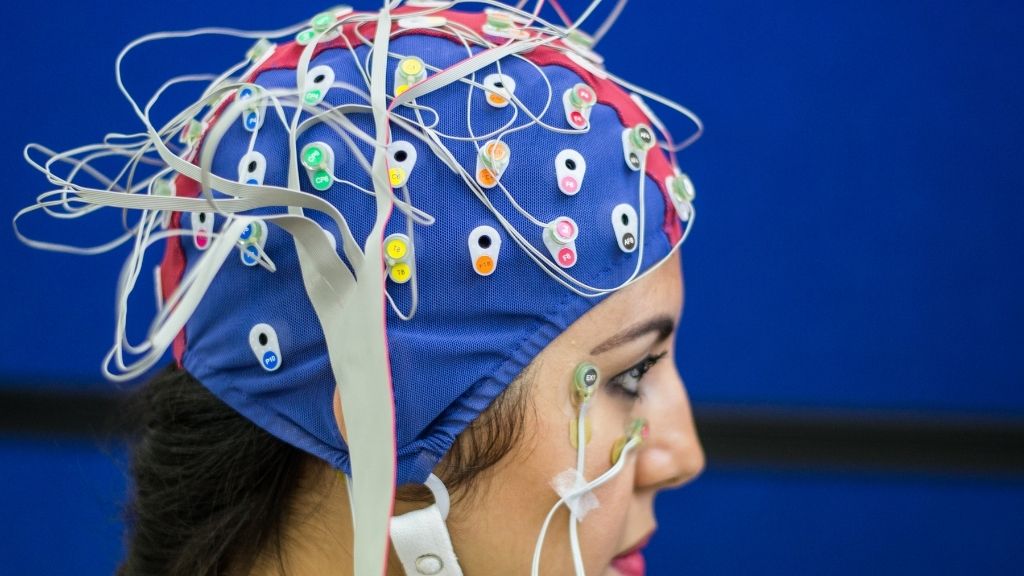
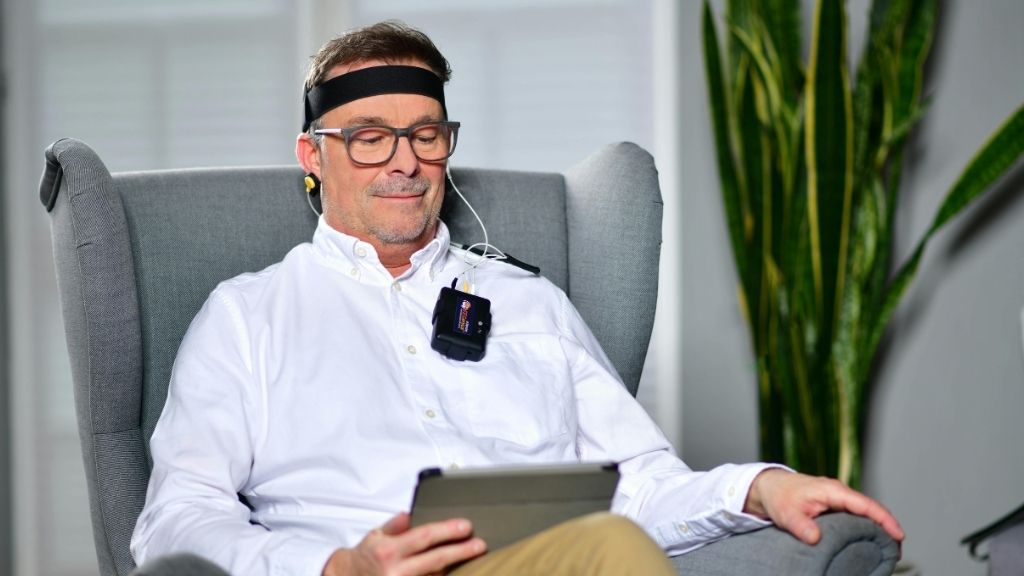
One of the most promising developments in neurorehabilitation is transcranial Direct Current Stimulation (tDCS). This technique delivers a very low-intensity electrical current through electrodes placed on the scalp. The stimulation aims to modulate the activity of specific brain regions involved in pain perception and neural plasticity.
Unlike surgical procedures or implanted devices, tDCS is:
- Non-invasive
- Painless
- Personalised
- Easily combined with rehabilitation programmes
Although research is still evolving, studies suggest that carefully selected patients may experience improvements in pain control and functional recovery when brain stimulation is incorporated into multidisciplinary rehabilitation.
Institut Guttmann and the Ítaca Project
Institut Guttmann continues to position Barcelona at the forefront of neurorehabilitation research through projects exploring innovative therapies for patients with complex neurological disorders.
One recent example is the Ítaca Project, recognised during the third edition of the Innomed Awards, which focuses on the treatment of neuropathic pain using transcranial Direct Current Stimulation (tDCS).
The project aims to personalise treatment by adapting brain stimulation to each patient’s neurological characteristics, potentially improving treatment response while maintaining an excellent safety profile.
This recognition highlights Institut Guttmann’s ongoing commitment to translating scientific research into innovative clinical solutions for patients with complex neurological conditions.
Source: This section is based on information published by Institut Guttmann regarding the Ítaca Project recognised at the Innomed Awards: Ítaca Project at the Innomed Awards.
Innovation in neurorehabilitation across Barcelona International Hospitals
Innovation in neurological care extends beyond individual research projects. Through Barcelona International Hospitals, international patients can access a network of specialised centres offering expertise across different neurological disciplines.
Institut Guttmann leads the network in neurorehabilitation, providing highly specialised care for patients with:
- Spinal cord injury
- Acquired brain injury
- Stroke rehabilitation
- Multiple sclerosis
- Neurological disorders requiring long-term rehabilitation
- Chronic neuropathic pain
Across the wider BIH network, other partner hospitals contribute complementary expertise in advanced neurosurgery, clinical research, precision medicine and multidisciplinary neurological care.
This collaborative environment enables patients to benefit from coordinated expertise throughout every stage of diagnosis, treatment and rehabilitation.
Why international patients choose Barcelona for neurological rehabilitation
Patients travelling to Barcelona for neurorehabilitation often seek access to specialised expertise that may not be available in their home countries. Barcelona offers several important advantages:
- Internationally recognised neurological specialists
- Advanced rehabilitation programmes
- Personalised treatment plans
- Multidisciplinary rehabilitation teams
- Innovative clinical research
- Access to emerging technologies
- Dedicated international patient services
This combination has positioned Barcelona among Europe’s leading destinations for complex neurological rehabilitation.
The importance of multidisciplinary care
Successful management of neuropathic pain rarely depends on one treatment alone. Patients often benefit from coordinated care involving:
| Specialist | Contribution |
|---|---|
| Neurologist | Diagnosis and medical management |
| Rehabilitation physician | Overall treatment strategy |
| Physiotherapist | Functional recovery |
| Occupational therapist | Daily living adaptations |
| Psychologist | Emotional wellbeing and coping strategies |
| Pain specialist | Advanced pain management |
| Neurorehabilitation team | Long-term functional improvement |
This multidisciplinary approach helps address both the physical and emotional impact of chronic neurological conditions.
Frequently Asked Questions
What is neuropathic pain?
What is tDCS?
Is brain stimulation painful?
Who may benefit from non-invasive brain stimulation?
Can international patients access specialised neurorehabilitation in Barcelona?
Why choose Institut Guttmann?
Contact Barcelona International Hospitals
If you are seeking a second opinion or specialised treatment for neuropathic pain or another complex neurological condition, Barcelona International Hospitals can help connect you with the most appropriate specialists and centres across our network.