
When facing a complex disease, patients and families often realize that one specialist alone cannot provide all the answers. Multidisciplinary teams in Barcelona have become the gold standard in tackling such conditions, offering a collaborative approach that blends expertise, advanced technology, and compassionate care.
The combination of doctors from various specialties for case evaluation leads to better survival outcomes and enables patients to receive treatments that are tailored to their specific needs. This paper examines the successful operation of this model and Barcelona’s position as a worldwide leader in this field and its implications for patients
Barcelona: a global hub for high-complexity medicine
Barcelona has steadily built its reputation as a city where medicine and science thrive together. Beyond its culture and architecture, the city is home to one of Europe’s most advanced healthcare systems. Patients who choose Barcelona gain access to hospitals that combine innovation, clinical excellence, and a strong tradition of international care.
The Barcelona International Hospitals network includes seven hospitals which operate as part of Barcelona International Hospitals: Centro Médico Teknon, Fundación Puigvert, Hospital Sant Joan de Déu, Institut Guttmann, Barnaclinic, Quirónsalud Barcelona, and University Hospital Dexeus. The medical staff at these facilities participate in clinical trials while implementing AI technology and developing new minimally invasive surgical methods. The medical facilities in Barcelona provide patients with access to experimental treatments that other hospitals do not offer because of their unique combination of research and clinical expertise.
What exactly is a multidisciplinary team?
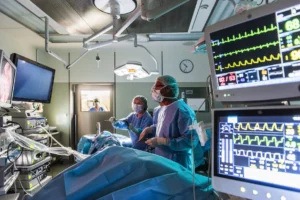
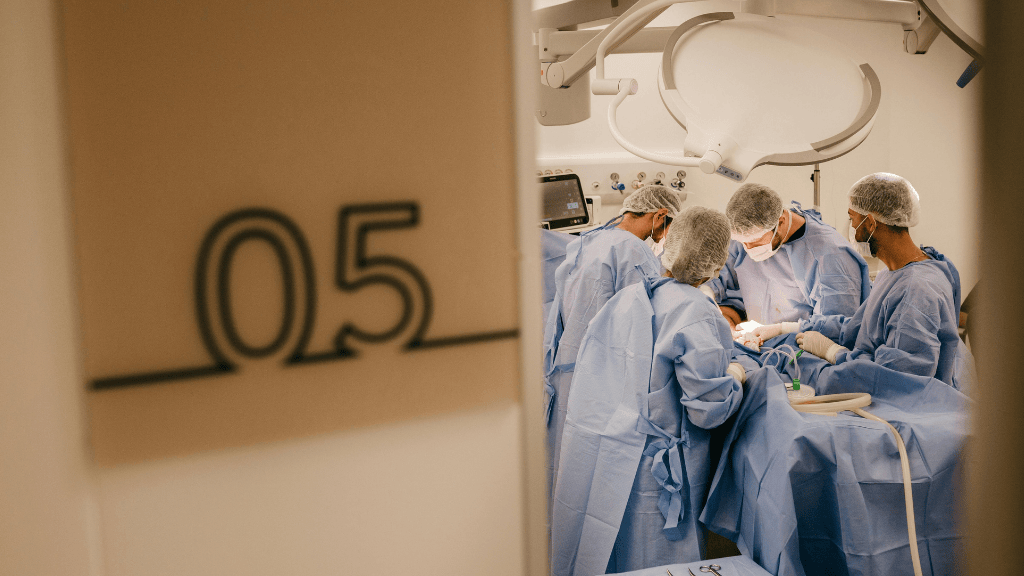
A multidisciplinary team (MDT) is more than just a group of doctors; it is a coordinated system of care. Patients are not treated by isolated specialists working independently but by an integrated group of professionals who meet regularly to review cases, share insights, and make joint decisions.
An MDT typically includes oncologists, neurosurgeons, cardiologists, radiologists, pathologists, immunologists, anesthesiologists, psychologists, and rehabilitation experts. The team includes additional specialists who join based on disease requirements such as geneticists for rare diseases and pediatric surgeons for childhood cancer treatment. The team members work together at the same time to create optimal treatment plans for each patient. The team approach eliminates care fragmentation while speeding up diagnosis and creating treatment plans that precisely target patient needs.
Why multidisciplinary care improves survival rates
The benefits of MDTs are now well documented, and the reasons behind their success are clear:
- A holistic perspective.When several experts analyze the same case, the disease is not seen only through the lens of one specialty. A neurosurgeon may focus on the surgical aspect, while an oncologist evaluates systemic therapies, and a radiologist interprets imaging in the broader clinical context. This collective vision allows for a more complete understanding of the disease.
- More accurate and faster diagnosis. Misdiagnosis or delayed diagnosis can cost lives. By reviewing scans, lab results, and pathology together, MDTs reduce errors and speed up decision-making. Combined with artificial intelligence in medical diagnostics, these teams achieve higher diagnostic accuracy.
- Personalized treatment plans.Every patient is unique. Age, genetics, comorbidities, and even lifestyle factors affect how a disease should be managed. An MDT accounts for all these variables, crafting a tailored treatment pathway that maximizes effectiveness while minimizing side effects.
- Peer-reviewed decisions.Instead of relying on a single opinion, MDTs validate decisions through discussion. This peer-review process reduces the risk of ineffective therapies and ensures treatments are evidence-based and patient-centered.
- Improved outcomes. The ultimate goal is survival. Studies show that patients managed by MDTs, particularly in oncology, experience longer survival, fewer complications, and better quality of life compared to those treated in fragmented systems.
When multidisciplinary care makes the biggest difference
While MDTs are valuable across healthcare, they are especially critical in certain areas:
- Oncology: The treatment of leukemia and lymphoma and sarcoma cancers needs input from oncologists and hematologists and radio curative and palliative care.
- Advanced neurosurgery: Conditions like brain tumors, spinal cord injuries, and vascular malformations demand a team approach. Barcelona’s high-complexity neurosurgery centers are world leaders in this area.
- Rare diseases: By definition, these require specialized expertise. MDTs integrate geneticists, immunologists, and researchers to design innovative therapies.
- Complex cardiology: Heart failure, congenital malformations, and transplant cases demand cardiologists, surgeons, and intensive care experts working tоgether.
- Rehabilitation after trauma: Recovery from severe accidents or surgeries often requires neurologists, physiotherapists, and psychologists collaborating on long-term plans.
How MDT care works in practice in Barcelona
The Barcelona International Hospitals network starts its process when international patients send their medical documents to any hospital within the network.
A case conference is scheduled, during which doctors analyze the details together: imaging scans, laboratory results, pathology reports, and the patient’s history. They discuss possible treatments, risks, and expected outcomes. From this discussion, a personalized care plan is created, which may combine surgery, chemotherapy, immunotherapy, rehabilitation, and psychological support.
The MDT maintains its regular meetings during treatment to modify the plan based on any emerging new information. The best possible quality of life after their active treatment ends. The continuous care pathway from diagnosis through recovery has ongoing process maintains active care delivery. The team develops a rehabilitation plan which focuses on helping patients achieve their established Barcelona as a leading center for treating complex medical cases.
The role of technology in supporting MDTs
Technology is not a replacement for medical expertise but a powerful enabler of it. In Barcelona, MDTs have access to tools that enhance their work:
- Artificial intelligence algorithms that detect anomalies and predict disease progression.
- Molecular biology and genomics, which allow for precision medicine in oncology.
- Robotic surgery, enabling minimally invasive interventions with faster recovery times.
- Telemedicine platforms, which connect international experts and allow remote case discussions.
By integrating these innovations, MDTs in Barcelona achieve levels of precision and effectiveness that set them apart globally.
Leading hospitals in Barcelona offering multidisciplinary team care
The following hospitals within the BIH network are pioneers in MDT based treatment:
- Centro Médico Teknon, recognized for oncology and advanced surgery.
- Fundación Puigvert, leaders in urology and nephrology.
- SJD Barcelona Children’s Hospital, a global reference in pediatric oncology and rare diseases.
- Institut Guttmann, specialists in neurorehabilitation and recovery after trauma.
- Barnaclinic+, excellence in high-complexity surgery with international patient programs.
- Quirónsalud Barcelona, comprehensive care for adults with complex conditions.
- University Hospital Dexeus, specialists in reproductive medicine and gynecological oncology.
Multidisciplinary teams in Barcelona demonstrate that medicine is strongest when collaboration, innovation, and patient-centered care come together. This approach has already saved countless lives and continues to set new standards in the treatment of complex diseases. For patients and families seeking not only medical solutions but also hope, Barcelona offers both.
To learn more or request a consultation, visit Barcelona International Hospitals.
Frequently Asked Questions about multi disciplinary care in Barcelona
Can international patients access MDT care in Barcelona?
Yes. Barcelona International Hospitals welcome patients from all over the world, offering multilingual support and dedicated international offices.
Which diseases benefit most from a multidisciplinary team?
Primarily oncology, neurosurgery, cardiology, rare diseases, and trauma recovery, though MDTs can be applied to many areas.
How do MDTs benefit patients directly?
They reduce delays in diagnosis, provide tailored treatment, minimize risks, and improve both survival and quality of life.
Is MDT care more expensive than traditional care?
Not necessarily. By avoiding unnecessary treatments and focusing on what works best, MDT care can actually be more cost-effective.
How can I arrange a multidisciplinary team consultation in Barcelona?
Simply contact the Barcelona International Hospitals team, who will guide you through the process of submitting your medical records and scheduling a consultation.
At Barcelona International Hospitals you will find the most prestigious hospitals in the city of Barcelona.
Barcelona International Hospitals’ commitment to research drives us to share medical articles that will help you understand the work of our medical specialists.