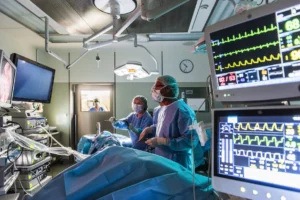


A genomic hackathon is a new format of medical collaboration that significantly accelerates the diagnosis of rare diseases and helps families receive answers they may have been seeking for years. This innovative model brings together experts in genetics, bioinformatics, clinical medicine and artificial intelligence, creating an environment where the most complex cases can be analyzed quickly and precisely.
In recent years, Barcelona has become one of the key hubs in Europe where such initiatives actively develop. The city is known for its medical innovation, strong research ecosystem and hospitals capable of managing highly complex clinical cases.
A particularly important milestone was the first genomic hackathon in Spain — Únicas Hackathon, organized by SJD Barcelona Children’s Hospital with the participation of leading medical experts. The event demonstrated how a multidisciplinary approach can change a patient’s diagnostic journey and lead to long-awaited answers.
Why Barcelona Is a Global Leader in Rare Disease Diagnostics
Barcelona is not just a major European medical destination. It is one of the very few cities where internationally recognized hospitals are concentrated within a small geographic area. These centers form the Barcelona International Hospitals (BIH) network and offer international patients a full spectrum of advanced diagnostics and high-complexity treatments.
Key institutions within the network include:
- SJD Barcelona Children’s Hospital — one of Europe’s leading pediatric hospitals and a recognized leader in genetics and rare diseases; organizer of Spain’s first genomic hackathon.
- barnaclínic+ — a global reference in robotic surgery, organ transplantation, neurosurgery and oncology.
- Centro Médico Teknon — an internationally accredited clinic with outstanding cardiology, oncology and surgical programs.
- Institut Guttmann — one of Europe’s leading centers in neuroscience and neurorehabilitation.
- Fundación Puigvert — a prestigious European center in urology and nephrology.
- Quirónsalud Barcelona — a high-level multidisciplinary hospital offering extensive diagnostic and surgical capabilities.
- Hospital Universitari Dexeus — a leading institution in gynecology, obstetrics, traumatology and sports medicine.
These hospitals are known for their clinical excellence, scientific research, application of artificial intelligence, robotic surgery and advanced genomic diagnostics.
What a Genomic Hackathon Is — and Why It Matters
A genomic hackathon is an intensive event where specialists from multiple disciplines work together to analyze data from patients with rare or complex diseases.
During a hackathon, experts:
- examine genomic sequences
- analyze mutations and clinical data
- apply artificial intelligence algorithms
- share hypotheses and expert insights
- build models of possible disease origins
The main goal is to shorten the path from symptoms to diagnosis using teamwork and cutting-edge technologies.
Únicas — The First Genomic Hackathon Ever Held in Spain
In 2025, SJD Barcelona Children’s Hospital organized Spain’s first genomic hackathon in the city of Murcia, focused on children with rare, complex or undiagnosed conditions. The initiative took place within the Únicas Hackathon, supported by C.U. Virgen de la Arrixaca–IMIB Murcia and the Wilhelm Foundation, with the aim of improving rare disease diagnostics in children by bringing together the best clinical and research resources in the country.
The hackathon brought together physicians, geneticists, bioinformaticians, rare disease specialists, biotechnologists, neurologists and researchers from across Spain. A total of 12 highly complex clinical cases were analyzed — many of which had remained without a clear diagnosis for years.
According to official reports published by SJD, the hackathon took place in an intensive working format: teams analyzed clinical histories, genetic test results, family data and complex genomic sequences that had not previously led to conclusive findings. For the first time, experts from different disciplines worked in the same space, enabling a broader and more integrated understanding of each case.
Key outcomes of the hackathon included:
- confirmation or refinement of diagnoses in cases where traditional diagnostics had failed
- identification of new hypotheses related to rare genetic mutations
- definition of next steps, including advanced sequencing or further laboratory studies
- personalized therapeutic strategies based on newly analyzed data
The hackathon also strengthened collaboration between regional hospitals, improved communication between specialists and highlighted the importance of collective expertise in cases where a disease may occur only once in tens or hundreds of thousands of children.
The ÚNICAS initiative demonstrated how expert collaboration, genomic technologies, AI-based analysis and clinical networking can transform outcomes for patients who have lived for years without a clear diagnosis.
Benefits of Genomic Hackathons for Diagnosis
1. Multidisciplinary Expertise
Geneticists, neurologists, bioinformaticians, clinicians and AI specialists evaluate each case together.
2. Artificial Intelligence for Data Analysis
AI tools detect hidden patterns, compare mutations with global databases and help uncover rare variants.
3. Faster Diagnostic Pathway
Processes that usually take months are reduced to just a few days.
4. Deep Understanding of Unique Clinical Cases
Hackathons create ideal conditions for tackling ultra-rare disorders.
5. Unique Value for International Patients
Families from abroad gain access to expert teams capable of analyzing the most difficult cases.
How Genomic Hackathons Support International Patients
For international families seeking diagnosis or treatment abroad, diagnostic uncertainty is one of the biggest challenges. Many patients undergo multiple examinations in their home countries without receiving clear answers. In such situations, genomic hackathons provide a unique opportunity to combine technology and expert knowledge.
Hackathons are especially helpful when:
- a disease presents atypically or early in life
- symptoms are unclear or do not fit known patterns
- traditional tests fail to identify the cause
- rare genetic mutations are suspected
- multiple specialists need to evaluate the case simultaneously
Why This Is Especially Valuable for International Patients
For families traveling to Barcelona, participating in a genomic analysis program or having their case reviewed by multidisciplinary teams offers access to resources rarely available elsewhere:
- accelerated diagnosis thanks to joint evaluation by dozens of experts
- reduced risk of diagnostic errors
- comprehensive view of the condition from genetic, neurological and bioinformatic perspectives
- possibility to obtain a fast and reliable second opinion
- personalized treatment planning based on genomic data
- access to high-precision genomic technologies used in top European hospitals
Barcelona is also one of the few global medical hubs where multidisciplinary case reviews on rare diseases occur regularly, making it an ideal destination for patients looking for innovation and diagnostic accuracy.
FAQ: Common Questions from Patients Considering Diagnosis in Barcelona
What does participation in a genomic hackathon provide?
It accelerates genetic data analysis and allows experts from different fields to reach a more accurate and coordinated diagnosis.
Can I undergo genetic testing in Barcelona without participating in a hackathon?
Yes. BIH clinics offer complete genetic testing programs, including whole-genome sequencing and molecular diagnostics.
What symptoms indicate that genetic testing may be necessary?
Delayed development, recurring neurological symptoms, suspected hereditary conditions, unclear diagnoses or a complex family history.
How long does genetic diagnosis take in Barcelona?
Depending on case complexity, from several weeks to 2–3 months. Fast-track protocols are available.
How do I choose the right hospital in Barcelona for rare disease diagnosis?
Look for centers specializing in multidisciplinary care and genetics, such as SJD Barcelona Children’s Hospital, barnaclínic+, Centro Médico Teknon, Quirónsalud Barcelona and other BIH members. You can request a consultation through the contact form on the BIH website.
At Barcelona International Hospitals you will find the most prestigious hospitals in the city of Barcelona.
Barcelona International Hospitals’ commitment to research drives us to share medical articles that will help you understand the work of our medical specialists.