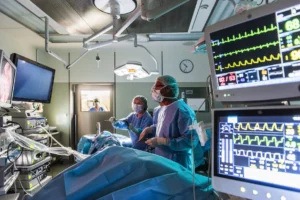


Barcelona has firmly established itself among the world’s leaders in medical science. Its contribution to cardiology — where cutting-edge technology meets precise diagnosis and compassionate patient care — is particularly remarkable. Here, heart treatment in Barcelona is more than a medical service; it’s an example of how innovation can transform quality of life.
Cardiology in Barcelona brings together advanced treatment methods, world-class research, and strong multidisciplinary teamwork, making the city a magnet for patients from all over the world.
Why Has Barcelona Become a Hub for Cardiology Innovation?
Cardiac care in Barcelona has flourished thanks to the close collaboration between hospitals, universities, and research centers. The city is home to the leading institutions of the Barcelona International Hospitals (BIH) network — Centro Médico Teknon, barnaclínic+, Hospital Quirónsalud Barcelona, Hospital Universitari Dexeus, Fundació Puigvert, SJD Barcelona Children’s Hospital, and Institut Guttmann.
Each of these centers applies a multidisciplinary approach to heart and vascular diseases. Cardiologists, cardiac surgeons, anesthesiologists, imaging experts, and rehabilitation specialists work together to design the most effective treatment strategies.
All facilities are equipped with hybrid operating rooms and technologies that only a few years ago were considered experimental. Patients receive comprehensive heart care — from diagnosis to rehabilitation — in one place, without waiting lists or administrative barriers.
What Innovations Are Transforming Heart Treatment in Barcelona?
The hallmark of Barcelona’s cardiology is precision and minimal invasiveness. Doctors rely on robotic surgery systems, 3D modeling, catheter-based techniques, and artificial intelligence to make heart treatment safer and recovery faster.
Minimally Invasive and Robotic Heart Surgery
Modern minimally invasive cardiac surgery enables complex operations without large incisions. Using the Da Vinci robotic system, surgeons perform movements with millimeter precision, reducing blood loss, pain, and recovery time. Most patients return to normal activities within one or two weeks.
Read more: When Robotic Surgery Is Indicated: Advantages Compared to Traditional Surgery
TAVI: A Breakthrough in Valve Replacement
One of the greatest advances of recent years is TAVI (Transcatheter Aortic Valve Implantation) — implantation of a new valve without opening the chest. TAVI in Barcelona is performed with 3D navigation and real-time pressure monitoring, offering new hope to patients for whom open-heart surgery was previously too risky.
Artificial Intelligence and 3D Modeling
Before any operation, doctors create a digital 3D model of the patient’s heart to plan every detail and predict outcomes. AI assists in analyzing ECG, CT, and MRI scans, identifying even the smallest anomalies. This data-driven approach increases diagnostic accuracy and minimizes complications.
How Is Cardiovascular Diagnosis Performed in Barcelona?
Accurate diagnosis is the foundation of successful treatment. Barcelona’s hospitals use state-of-the-art diagnostic tools to detect cardiovascular diseases at their earliest stages.
- High-resolution CT and MRI scanners create detailed 3D images of the heart and blood vessels.
- Coronary CT angiography assesses arterial condition without invasive procedures.
- Echocardiography and stress tests evaluate cardiac function under load.
- Genetic testing identifies inherited risks.
- Wearable devices allow continuous heart rate and blood pressure monitoring.
Such comprehensive cardiological screening helps identify problems early — when they are still reversible.
How Does the Heart Treatment Process Work in Barcelona?
Heart care in Barcelona is a streamlined process where every step is coordinated for patient comfort.
Step 1: Initial assessment.
Patients can send their medical reports online. BIH coordinators review the data and schedule an appointment with the right specialist.
Step 2: Diagnosis and treatment plan.
A team of doctors conducts thorough examinations and develops a personalized plan based on age, lifestyle, and medical history.
Step 3: Procedure or surgery.
Depending on the case, treatment may involve catheter-based therapy, TAVI, pacemaker implantation, or open surgery — all performed in hybrid operating rooms.
Step 4: Rehabilitation.
Recovery takes place under the supervision of cardiologists and physiotherapists, focusing on gradual physical activity, nutrition, and emotional wellbeing.
Step 5: Post-discharge monitoring.
Many BIH hospitals provide remote follow-ups, especially convenient for international patients.
Why Do International Patients Choose Barcelona for Heart Treatment?
Barcelona combines European medical standards, scientific excellence, and personalized care. For international patients, it’s an opportunity to access advanced heart treatment abroad without language barriers or long waits.
Barcelona International Hospitals offers:
- A personal coordinator in the patient’s native language;
- Assistance with documentation and travel arrangements;
- Transparent pricing and scheduling;
- A full treatment cycle — from diagnosis to rehabilitation.
Learn more: Popular Medical Services and Treatment in Barcelona for International Patients
Top Cardiology Hospitals in Barcelona: BIH Network Specialists
- Centro Médico Teknon – Grupo Quirónsalud: One of Spain’s leading private medical centers, renowned for advanced cardiac surgery and multidisciplinary care. Teknon performs complex valve replacements, coronary bypasses, and arrhythmia treatments. The hospital is known for its hybrid operating rooms and use of minimally invasive techniques.
- barnaclínic+ (Hospital Clínic Barcelona): Closely linked to the university hospital Clínic, barnaclínic+ is home to some of Europe’s most experienced cardiac surgeons. The center focuses on robotic and interventional cardiology, heart failure programs, and research that bridges academic science and clinical practice.
- Hospital Quirónsalud Barcelona: A major multidisciplinary hospital with a strong reputation in interventional and vascular cardiology. The center performs TAVI, catheter ablations, pacemaker implantations, and open-heart surgeries, with dedicated rehabilitation programs for long-term patient follow-up.
- Hospital Universitari Dexeus: Specialized in combining cardiology with internal medicine, Dexeus employs 3D navigation systems, cardiac monitoring programs, and hybrid diagnostic technologies. The hospital participates in international clinical studies and uses digital planning for complex interventions.
- Fundació Puigvert: One of Barcelona’s oldest research institutes, recognized for its work in vascular surgery and cardiorenal diseases. The clinic integrates regenerative medicine and personalized therapy to improve cardiovascular outcomes and prevention strategies.
- Institut Guttmann: Europe’s leading neurorehabilitation center, also helping patients recover from cardiovascular complications after strokes or cardiac surgery. It offers advanced programs for restoring mobility, cardiovascular strength, and overall quality of life through digital rehabilitation.
- SJD Barcelona Children’s Hospital: An internationally acclaimed center for pediatric cardiology and cardiac surgery. Hundreds of procedures are performed each year for newborns and children with congenital heart defects. The hospital pioneers fetal cardiology and neonatal intensive care, combining high technology with family-centered compassion. SJD also leads global research and exchange programs, setting a benchmark for pediatric cardiac care in Europe.
Together, these institutions form a world-class ecosystem of medical excellence and innovation that makes Barcelona International Hospitals unique in Europe.
How Does Barcelona Prevent and Control Heart Disease?
Prevention is one of the pillars of modern cardiology. Barcelona’s hospitals offer Cardio Check-Up programs designed to detect risk factors such as high blood pressure, diabetes, elevated cholesterol, and stress at an early stage.
These programs include lab tests, echocardiography, stress testing, and dietary consultations. If needed, patients receive a personalized lifestyle plan to manage risk factors.
After surgery, BIH centers provide secondary prevention programs to monitor blood pressure, weight, and emotional health, reducing the risk of recurrence. This holistic approach helps patients not only recover but also maintain long-term heart health.
How Is Digital Technology Changing Cardiology in Barcelona?
Cardiology in Barcelona is rapidly evolving into the era of digital medicine. Big Data, AI, and telemedicine enable the creation of personal digital patient profiles that store medical history, test results, and doctor recommendations in one secure place.
This interconnected system allows BIH hospitals to track patient progress in real time and improve coordination between specialists. By using predictive analytics, doctors can foresee complications and adjust treatment proactively. Barcelona is becoming a model for how digitalization enhances trust, efficiency, and patient outcomes.
Key Advantages of Heart Treatment in Barcelona
- Latest technologies and state-of-the-art equipment
- Highly qualified doctors with international experience
- Fast diagnosis with no waiting lists
- Comprehensive and patient-centered care
- Personalized rehabilitation and follow-up
These strengths make Barcelona one of Europe’s most attractive destinations for advanced cardiac care.
Cardiology in Barcelona represents the perfect balance between science, technology, and human empathy. Patients are not just cases — they are at the center of a multidisciplinary effort focused on recovery, comfort, and long-term health.
With advanced diagnostics, minimally invasive procedures, robotic surgery, and AI-powered monitoring, Barcelona is redefining the future of personalized heart medicine. If you are looking for heart treatment in Spain that combines innovation, professionalism, and care, Barcelona International Hospitals will provide a trusted path to recovery under the guidance of Europe’s leading cardiology experts.
Frequently Asked Questions about Cardiology in Barcelona
Can I undergo heart diagnostics without surgery?
Yes. Most diagnostic tests are non-invasive — such as ECG, MRI, CT scans, and blood analyses.
How quickly can treatment begin?
Once your diagnosis is confirmed, treatment in Barcelona can typically start within a few days.
Is there English- or Russian-speaking support?
Yes, BIH coordinators and many specialists speak English, Russian, and other languages.
How long does recovery take after minimally invasive heart surgery?
Usually 10–14 days, depending on age and overall health.
How can I book a cardiology appointment with BIH?
Simply contact Barcelona International Hospitals — our coordinators will help arrange your consultation with the right specialist.
At Barcelona International Hospitals you will find the most prestigious hospitals in the city of Barcelona.
Barcelona International Hospitals’ commitment to research drives us to share medical articles that will help you understand the work of our medical specialists.