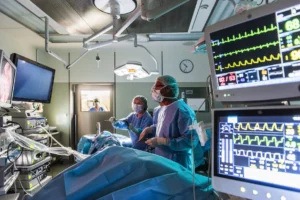

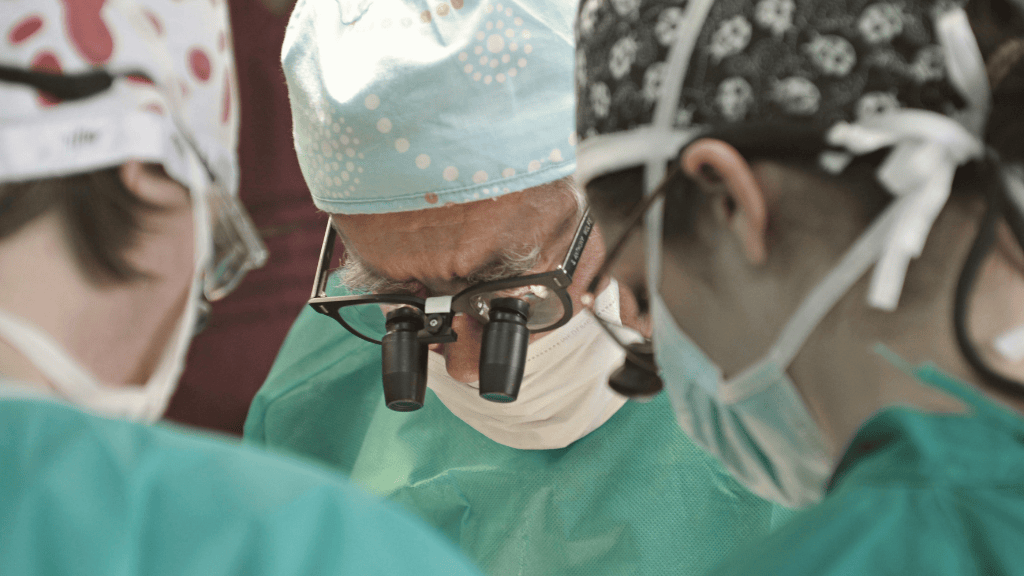
When patients consider undergoing major surgery abroad, one question often outweighs all others: what happens if something goes wrong? Choosing where to have complex surgery is not only about advanced techniques or cutting-edge technology. It is also about how a hospital manages potential complications.
In recent years, complex surgery in Spain has gained international recognition, particularly in Barcelona. The city’s leading hospitals have developed highly structured systems to manage surgical complication management, high-risk procedures and intensive post-operative care. Understanding how high-complexity hospitals operate can help international patients make more informed and confident decisions.
What Are Surgical Complications and Why Do They Matter?
A surgical complication is any unexpected medical issue that occurs during or after an operation. In the context of complex surgery in Spain, these events are carefully monitored and managed within structured clinical pathways. Common surgical complications may include:
- Bleeding
- Infections
- Organ dysfunction
- Cardiovascular instability
- Respiratory complications
- Anastomotic leaks in digestive surgery
- Neurological events
Even when a procedure is technically successful, complications can still arise. They are influenced by several factors, including:
- The level of surgical complexity
- The patient’s age and general health condition
- Pre-existing medical diseases
- The biological behavior and stage of the underlying condition
What ultimately distinguishes a high-complexity hospital in Barcelona or elsewhere in Spain is not the absolute absence of complications, but the ability to anticipate risks, detect problems early and respond rapidly through coordinated multidisciplinary care.
Why High-Complexity Surgery Requires Specialized Hospitals
High-complexity surgery in Spain often involves procedures such as:
- Advanced oncologic resections
- Complex neurosurgery
- Cardiac surgery
- Organ transplantation
- Major orthopedic reconstructions
- Revision surgery after failed procedures
These interventions require more than surgical skill. They demand an environment designed for high-risk surgery specialists and multidisciplinary coordination.
Hospitals within the Barcelona International Hospitals network, including Centro Médico Teknon, barnaclínic+, Hospital Quirónsalud Barcelona and University Hospital Dexeus, operate within tertiary-level systems where surgical safety protocols and post-surgical intensive care Barcelona units are fully integrated into care pathways.
This structural capacity is what differentiates a high-complexity hospital from a standard surgical center.
The Role of Multidisciplinary Teams in Complication Management
Surgical complication management is rarely handled by a single professional. In complex cases, rapid collaboration is essential.
In Barcelona’s leading hospitals, multidisciplinary surgical teams Spain typically include:
- Surgeons
- Intensivists
- Anesthesiologists
- Infectious disease specialists
- Radiologists
- Interventional specialists
- Specialized nursing staff
When complications arise, decisions are made collectively. This multidisciplinary medical care model reduces delays and improves coordination. The importance of team-based decision-making in complex diseases is also explored in the BIH article: Why Multidisciplinary Teams Improve Survival Rates in Complex Deseases.
Managing complications after surgery abroad becomes significantly safer when this collaborative structure is in place.
Intensive Care After Major Surgery: A Critical Factor
One of the most important components of complex surgery hospital Spain environments is the availability of advanced intensive care.
High-risk procedures often require:
- Continuous hemodynamic monitoring
- Mechanical ventilation support
- Renal replacement therapy
- Advanced infection control
- Interventional radiology back-up
Not all hospitals are equipped to provide this level of support. In Barcelona, tertiary referral hospital Spain standards are present in institutions such as:
- Centro Médico Teknon
- Hospital Quirónsalud Barcelona
- barnaclínic+
- University Hospital Dexeus
For pediatric complex cases, Hospital Sant Joan de Déu Barcelona provides highly specialized critical care adapted to children and adolescents. In neurological cases requiring long-term recovery or neurocritical management, Institut Guttmann offers advanced neurorehabilitation services integrated into broader care pathways.
The presence of an advanced ICU is often what determines whether a complication can be stabilized quickly and safely.
Preventing Complications: Proactive Strategies
Managing complications begins before surgery.
High-complexity hospitals in Spain typically apply structured preoperative evaluation protocols, including:
- Comprehensive cardiac and respiratory assessment
- Nutritional evaluation
- Risk stratification scoring
- Multidisciplinary case review
- Personalized anesthesia planning
These preventive strategies reduce the likelihood of complications and improve recovery outcomes.
Enhanced recovery protocols, infection prevention systems and real-time monitoring further strengthen surgical safety standards Europe-wide.
When Revision Surgery Requires Specialized Expertise
Some international patients seek care in Spain after experiencing complications elsewhere.
Revision surgery Spain is a highly specialized field that may involve:
- Correcting failed orthopedic implants
- Reconstructing digestive anastomoses
- Treating post-surgical infections
- Managing tumor recurrence
Revision procedures are often more technically demanding than initial surgeries. They require experienced high-risk surgery specialists Spain-based teams and access to advanced diagnostic tools.
Hospitals within the BIH network frequently receive referrals for complex second-stage procedures, reflecting Barcelona’s role as a referral destination for tertiary care.
The Importance of Structured Pathways for International Patients
For international patients, managing complications after surgery abroad includes logistical considerations:
- Medical record transfer
- Clear communication
- Coordinated follow-up
- Cross-border continuity of care
International Patient Departments in Barcelona hospitals provide structured systems to facilitate:
- Preoperative remote evaluations
- Transparent risk discussions
- Coordinated postoperative follow-up
- Direct communication with referring physicians
This organized approach is particularly relevant for patients traveling for complex surgery in Spain, as it reduces uncertainty and improves planning.
Why Barcelona Has Become a Reference for Complex Surgery in Spain
Barcelona has established itself as a leading destination for complex surgery in Spain by combining advanced infrastructure, clinical expertise and coordinated multidisciplinary care within a single medical ecosystem.
Its strength in high-complexity surgery is built on several key pillars:
- High-volume surgical experience in tertiary referral hospitals
- Advanced intensive care units equipped for high-risk procedures
- Integrated multidisciplinary teams for rapid decision-making
- Active participation in European research and surgical innovation
- Structured coordination for international patients seeking treatment abroad
This combination allows hospitals in Barcelona not only to perform technically demanding procedures, but also to manage the full spectrum of perioperative risk.
Institutions such as Fundació Puigvert contribute recognized expertise in complex urological surgery and transplant-related procedures, while oncology-driven resections and revision surgeries are supported by specialized units across multiple BIH partner hospitals, including Centro Médico Teknon, Hospital Quirónsalud Barcelona and barnaclínic+.
For neurological and neurorehabilitation cases requiring long-term structured recovery, Institut Guttmann strengthens the city’s integrated care capacity. This ecosystem-based model ensures that complex surgical care in Barcelona is not delivered in isolation. Instead, it is embedded within a coordinated support structure that combines surgical precision, advanced critical care and multidisciplinary expertise, key elements for patients considering high-risk surgery in Spain.
Frequently Asked Questions About Complex Surgery in Spain
High-complexity surgery includes procedures with elevated risk, such as advanced oncologic operations, cardiac surgery, neurosurgery and organ transplantation.
Through multidisciplinary teams, advanced ICU support, rapid diagnostics and coordinated intervention strategies.
Leading tertiary referral hospitals in Barcelona are equipped with specialized intensive care units, interventional radiology and experienced surgical teams.
Yes. Many hospitals offer structured second-opinion pathways for complex or high-risk cases.
Complications often involve multiple organ systems. Coordinated expertise improves decision-making and response time.
Managing surgical complications is one of the clearest indicators of hospital quality. High-complexity hospitals do not simply perform advanced procedures, they are designed to anticipate, detect and manage risk.
Barcelona has positioned itself as a strong destination for complex surgery in Spain because of its integrated infrastructure, multidisciplinary teams and advanced critical care capacity. For international patients considering high-risk procedures, the difference lies not only in surgical expertise, but in the hospital’s ability to respond effectively if complications arise.
If you would like to explore whether a Barcelona International Hospitals partner center may be appropriate for your case, you can contact the BIH network through the contact form.