
Bariatric surgery in Barcelona has become an increasingly sought-after option for international patients dealing with obesity and related health conditions. Beyond weight loss, this type of surgery can significantly improve overall health and quality of life when properly indicated.
In this article, you will learn who is a candidate for bariatric surgery, when it is recommended, what options are available, and why Barcelona has become a leading destination in Europe for this type of treatment.
What Is Bariatric Surgery and How Does It Work?
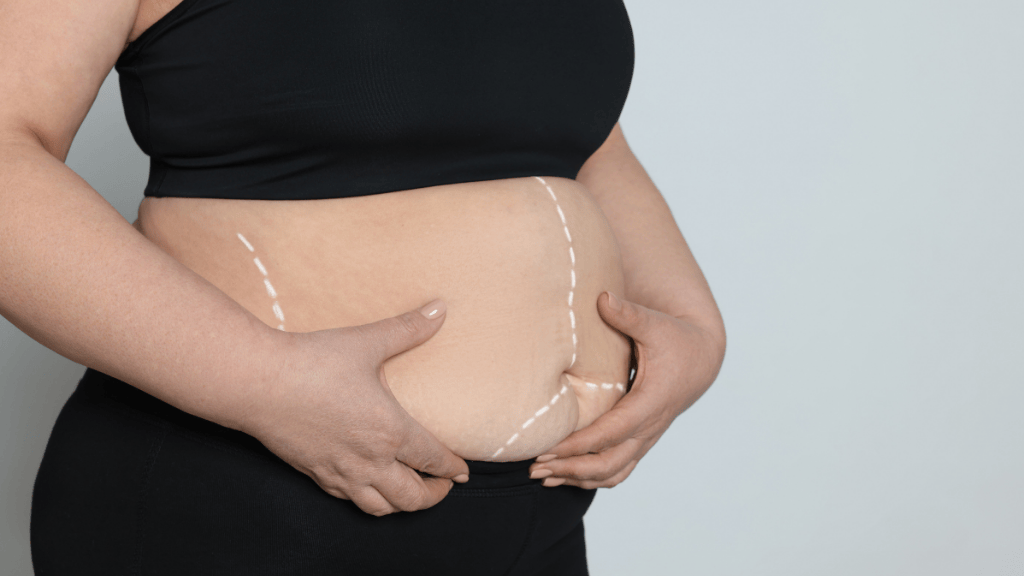
Bariatric surgery, also known as weight loss surgery, includes a group of procedures designed to help patients lose weight by modifying the digestive system. These procedures can reduce the size of the stomach, limit food intake or alter the way nutrients are absorbed. The most common types of bariatric surgery include:
- Gastric sleeve (sleeve gastrectomy): reduces the size of the stomach
- Gastric bypass: changes how food passes through the digestive system
- Metabolic surgery: focuses on improving obesity-related diseases such as type 2 diabetes
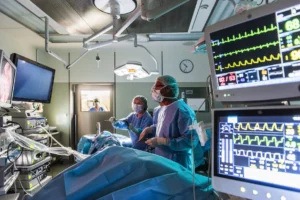
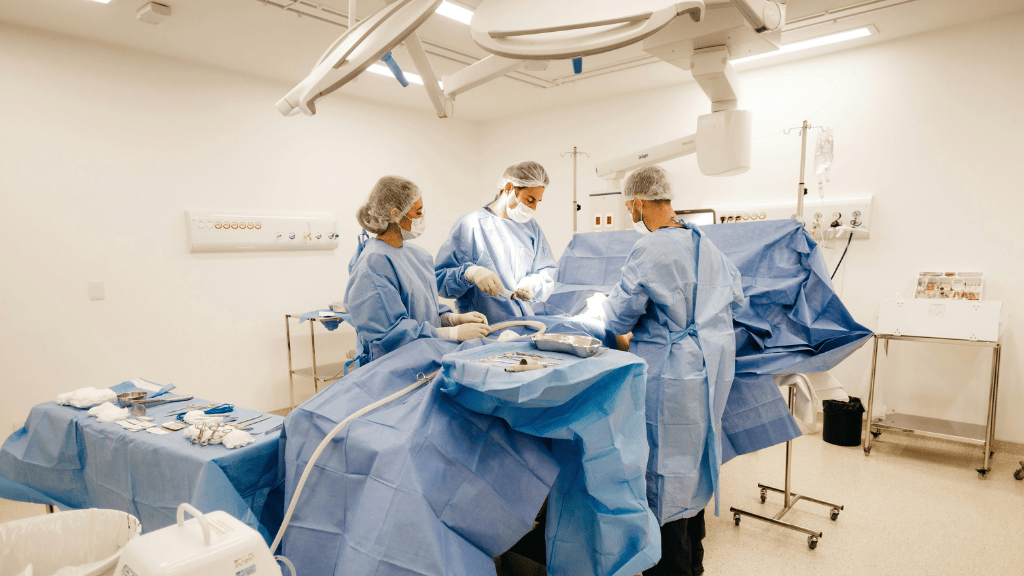
These procedures are typically performed using minimally invasive techniques, which allow for faster recovery and fewer complications compared to traditional surgery.
Who Is a Candidate for Bariatric Surgery?
Not all patients with obesity are candidates for bariatric surgery. A comprehensive medical evaluation is always required. In general, bariatric surgery may be considered for patients who:
- Have a Body Mass Index (BMI) of 40 or higher
- Have a BMI of 35 or higher with associated conditions, such as diabetes, hypertension or sleep apnea
- Have not achieved significant weight loss through diet, exercise or medical treatment
- Are medically fit for surgery
Beyond BMI, specialists also assess psychological readiness, lifestyle habits and the patient’s ability to follow long-term recommendations after surgery.
When Is Bariatric Surgery Recommended?
Bariatric surgery is typically recommended when obesity begins to significantly impact health and quality of life. It may be considered in situations such as:
- Poorly controlled type 2 diabetes
- Cardiovascular risk factors
- Severe joint problems linked to excess weight
- Sleep apnea or respiratory issues
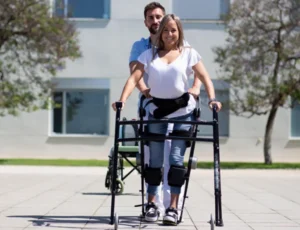
- Reduced mobility and daily limitations
The decision is always made by a multidisciplinary medical team, ensuring that surgery is the most appropriate option for each individual case.
Types of Bariatric Surgery Available in Barcelona
Barcelona offers access to advanced bariatric surgery procedures performed by experienced surgical teams using modern, minimally invasive techniques. The choice of treatment depends on each patient’s condition, medical history and long-term health goals. The most common bariatric surgery options in Barcelona include:
Gastric Sleeve (Sleeve Gastrectomy)
One of the most widely performed weight loss procedures, the gastric sleeve reduces the size of the stomach, helping patients feel full sooner and eat smaller portions. It is often recommended for patients seeking effective and sustained weight loss.
Gastric Bypass
A more complex procedure that combines stomach reduction with changes in the digestive process. Gastric bypass is often recommended for patients with obesity-related conditions such as type 2 diabetes, as it can help improve metabolic health.
Minimally Invasive (Laparoscopic) Surgery
Most bariatric procedures in Barcelona are performed using laparoscopic techniques. This approach involves smaller incisions, less post-operative pain and a faster recovery compared to traditional open surgery. The selection of the most appropriate procedure is always made by a multidisciplinary team, ensuring a personalised approach tailored to each patient.
Benefits and Risks of Bariatric Surgery
Like any surgical procedure, bariatric surgery has both benefits and risks that must be carefully evaluated.
| Potential Benefits | Potential Risks |
|---|---|
| Significant and sustained weight loss over time | Surgical complications, as in any major procedure |
| Improvement or resolution of conditions such as type 2 diabetes or hypertension | Nutritional deficiencies without proper follow-up and supplementation |
| Better mobility and physical function | Need for long-term dietary and lifestyle changes |
| Improved overall quality of life | Possible need for ongoing medical monitoring |
Recovery and Life After Bariatric Surgery
Recovery after bariatric surgery varies depending on the procedure and the patient. In general:
- Hospital stay is usually short (a few days)
- Patients gradually return to normal activities
- A specific nutritional plan must be followed
- Long-term follow-up is required
Bariatric surgery is not a quick solution, but part of a broader transformation process that includes lifestyle and dietary changes.
Bariatric Surgery in Barcelona: A Multidisciplinary Approach
One of the key factors behind the success of bariatric surgery in Barcelona is the enfoque multidisciplinario adopted by leading hospitals. Rather than focusing only on the surgical procedure, treatment is designed around the patient’s overall health, long-term outcomes and lifestyle changes.
Specialists from different fields work together throughout the entire process, including:
- Digestive surgeons specialised in bariatric and metabolic surgery
- Endocrinologists who assess obesity-related conditions
- Nutritionists who guide pre- and post-operative dietary changes
- Psychologists who support behavioural and emotional adaptation
- Rehabilitation professionals who help improve mobility and recovery
Within the Barcelona International Hospitals (BIH) network, several leading centres offer bariatric surgery as part of specialised digestive and metabolic units, combining advanced surgical techniques with coordinated, patient-centred care. These include:
- Centro Médico Teknon, known for its advanced surgical units and minimally invasive techniques
- Hospital Quirónsalud Barcelona, offering comprehensive care with modern facilities and multidisciplinary teams
- barnaclínic+ (Hospital Clínic de Barcelona), a reference centre for high-complexity surgery and metabolic treatment
- Hospital Universitari Dexeus, recognised for its integrated approach to patient care and surgical expertise
These hospitals combine clinical experience, advanced technology and personalised follow-up, ensuring that bariatric surgery is not only effective, but also safe and adapted to each patient’s needs.
Why International Patients Choose Barcelona for Bariatric Surgery
Barcelona has become a leading destination for bariatric surgery in Spain and Europe. Some of the reasons include:
- Acceso a highly specialised medical teams
- Availability of advanced surgical techniques
- Strong experience in treating complex and international cases
- Integrated care across diagnosis, treatment and follow-up
In addition, international patient departments provide support throughout the entire process, making the experience smoother and more coordinated.
Frequently Asked Questions About Bariatric Surgery
Who is a candidate for bariatric surgery?
Is bariatric surgery safe in Barcelona?
How long is recovery after bariatric surgery?
How much weight can you lose after bariatric surgery?
Can international patients have bariatric surgery in Barcelona?
If you would like to receive a personalised medical evaluation, you can share your case and contact details with our team. Our specialists will review your situation and guide you on the most appropriate treatment options.