
Para muchos pacientes que se plantean operarse en el extranjero, el objetivo no es sólo encontrar un cirujano cualificado. También es encontrar un hospital que pueda ofrecer un diagnóstico preciso, una planificación quirúrgica avanzada, una recuperación segura y una comunicación clara durante todo el proceso.
Cirugía laparoscópica en Barcelona es una de las opciones que los pacientes internacionales pueden explorar cuando buscan un tratamiento mínimamente invasivo en Europa. En determinados casos, las técnicas laparoscópicas pueden permitir a los cirujanos operar a través de incisiones más pequeñas, utilizando una cámara e instrumentos especializados para tratar distintas afecciones abdominales, pélvicas, urológicas o ginecológicas.
Este artículo explica qué es la cirugía laparoscópica, cuándo puede considerarse, en qué se diferencia de la cirugía abierta o robótica y qué deben preparar los pacientes internacionales antes de solicitar una evaluación quirúrgica en Barcelona.
¿Qué es la cirugía laparoscópica?
Cirugía laparoscópica es un tipo de cirugía mínimamente invasiva. En lugar de hacer una gran incisión, el cirujano suele hacer varias pequeñas incisiones por las que se introducen una cámara e instrumentos quirúrgicos.
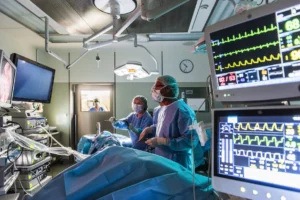
La cámara proporciona una vista ampliada de la zona quirúrgica en una pantalla, lo que permite al equipo quirúrgico trabajar con precisión. Este enfoque puede utilizarse en distintas especialidades, como cirugía digestiva, ginecología, urología, cirugía bariátrica y determinados procedimientos oncológicos.
Sin embargo, la cirugía laparoscópica no es adecuada para todos los pacientes ni para todas las afecciones. La decisión depende del diagnóstico, la complejidad del caso, las cirugías previas, el estado general de salud del paciente y la evaluación del especialista.
Cirugía laparoscópica vs cirugía abierta vs cirugía robótica
Los pacientes suelen comparar la cirugía laparoscópica con la cirugía abierta o la cirugía robótica. Estas técnicas están relacionadas, pero no son lo mismo.
| Abordaje quirúrgico | Cómo se realiza | Consideraciones clave |
|---|---|---|
| Cirugía abierta | El cirujano accede a la zona quirúrgica a través de una incisión más grande. | Puede ser necesario en casos complejos, avanzados o de urgencia. |
| Cirugía laparoscópica | El cirujano opera a través de pequeñas incisiones utilizando una cámara e instrumentos especializados. | Puede apoyar un enfoque menos invasivo en pacientes seleccionados. |
| Cirugía robótica | Procedimiento mínimamente invasivo asistido por tecnología robótica controlada por el cirujano. | Puede utilizarse en determinados procedimientos y hospitales, según el caso. |
La técnica más adecuada no siempre es la más novedosa. La mejor opción es la que ofrece la vía más segura y eficaz para cada paciente.
¿Qué afecciones pueden tratarse con cirugía laparoscópica?
La cirugía laparoscópica puede utilizarse en distintos ámbitos médicos. La indicación exacta depende del diagnóstico del paciente y de la experiencia quirúrgica del hospital.
| Área médica | Ejemplos de procedimientos en los que puede considerarse la laparoscopia |
|---|---|
| Cirugía digestiva | Cirugía de la vesícula biliar, reparación de hernias, cirugía colorrectal o procedimientos abdominales seleccionados. |
| Ginecología | Quistes ováricos, endometriosis, histerectomía o afecciones pélvicas seleccionadas. |
| Urología | Procedimientos seleccionados de riñón, próstata, vejiga o vías urinarias. |
| Cirugía bariátrica | Procedimientos seleccionados de pérdida de peso para pacientes con obesidad. |
| Oncología | Tumores abdominales, pélvicos o digestivos seleccionados, según el estadio y la complejidad. |
En el tratamiento del cáncer, la cirugía laparoscópica puede considerarse en algunos casos, pero siempre debe evaluarse cuidadosamente. La prioridad no es sólo reducir el tamaño de la incisión, sino tratar la enfermedad de forma segura y completa según criterios oncológicos.
Ventajas de la cirugía mínimamente invasiva para pacientes internacionales
Para los pacientes internacionales, la cirugía mínimamente invasiva puede ofrecer ventajas prácticas en determinados casos. Éstas pueden incluir:
- incisiones más pequeñas;
- reducción de las molestias postoperatorias en algunos procedimientos;
- estancia hospitalaria más corta en determinados casos;
- reincorporación más rápida a las actividades cotidianas, dependiendo del paciente y del procedimiento;
- una visualización más precisa para el equipo quirúrgico;
- planificación estructurada de la recuperación y el seguimiento.
Estos beneficios potenciales no deben entenderse como garantías. La recuperación depende de muchos factores, como el tipo de cirugía, el estado de salud del paciente, la complejidad de la intervención y la aparición de complicaciones.
Por qué Barcelona es relevante para la cirugía laparoscópica
Barcelona se ha convertido en un importante destino para los pacientes internacionales que buscan atención médica y quirúrgica avanzada. La ciudad combina hospitales privados, experiencia médica vinculada a la universidad, tecnología avanzada, equipos multidisciplinares y servicios internacionales para pacientes.
Para pacientes que buscan cirugía mínimamente invasiva en Barcelona, Este ecosistema es importante porque la cirugía rara vez es un acto aislado. Una vía quirúrgica segura puede requerir:
- diagnóstico preciso;
- estudios de imagen;
- evaluación preoperatoria;
- evaluación de la anestesia;
- planificación quirúrgica especializada;
- seguimiento postoperatorio;
- rehabilitación o seguimiento cuando sea necesario;
- coordinación con los médicos del país de origen del paciente.
Barcelona también ofrece ventajas prácticas para los pacientes que viajan desde el extranjero, como conectividad internacional, entornos asistenciales multilingües y hospitales acostumbrados a gestionar viajes internacionales de pacientes.
Hospitales asociados a BIH y cirugía mínimamente invasiva
Barcelona International Hospitals reúne a los principales hospitales de Barcelona con áreas de especialización complementarias. Dependiendo del diagnóstico del paciente y de sus necesidades quirúrgicas, BIH puede ayudar a identificar la vía hospitalaria más adecuada. Los hospitales relevantes dentro de la red BIH pueden incluir:
| Hospital asociado a BIH | Posible relevancia en la atención quirúrgica |
|---|---|
| Centro Médico Teknon | Atención hospitalaria privada avanzada, cirugía compleja, diagnóstico y servicios médicos multidisciplinares. |
| Hospital Quirónsalud Barcelona | Atención hospitalaria privada, especialidades quirúrgicas, diagnóstico, vías relacionadas con la oncología y apoyo a pacientes internacionales. |
| barnaclínic+ | Atención médica y quirúrgica altamente especializada para adultos vinculada al Hospital Clínic Barcelona. |
| Hospital Universitario Dexeus | Atención hospitalaria multidisciplinar, cirugía, ginecología, salud de la mujer y experiencia pediátrica/neonatal. |
| Fundació Puigvert | Urología, nefrología, andrología y enfermedades renales o urológicas complejas. |
| Hospital Sant Joan de Déu Barcelona | Atención pediátrica y enfermedades infantiles complejas cuando la evaluación quirúrgica afecta a niños. |
| Guttmann Hospital de Neurorrehabilitación | Neurorrehabilitación y recuperación funcional compleja cuando la rehabilitación forma parte del recorrido del paciente. |
No todos los hospitales ofrecen los mismos procedimientos o técnicas quirúrgicas. El valor de la Red de Bosnia y Herzegovina radica en ayudar a los pacientes internacionales a comprender qué hospital y equipo de especialistas pueden ser los más apropiados para su caso.
Qué deben preparar los pacientes internacionales antes de la cirugía laparoscópica
Antes de viajar para cirugía laparoscópica en Barcelona, En el caso de la cirugía laparoscópica, los pacientes deben preparar un expediente médico completo. Esto permite a los especialistas revisar el caso adecuadamente y decidir si la cirugía laparoscópica, la cirugía robótica, la cirugía abierta u otra opción de tratamiento pueden ser adecuadas.
| Documento o información | Por qué es importante |
|---|---|
| Informe de diagnóstico | Ayuda a los especialistas a comprender la enfermedad y el motivo de la intervención quirúrgica. |
| Estudios de imagen | Imprescindible para la planificación quirúrgica, especialmente estudios de TC, IRM, ecografía o endoscopia. |
| Informes de operaciones anteriores | Importante si el paciente se ha sometido previamente a operaciones o procedimientos abdominales/pélvicos. |
| Informe patológico, si procede | Útil en casos de cáncer o relacionados con tumores. |
| Resultados de los análisis de sangre | Apoya la evaluación preoperatoria y la valoración de riesgos. |
| Lista actual de medicamentos | Ayuda a evaluar los riesgos quirúrgicos, los anticoagulantes, las interacciones y la planificación de la anestesia. |
| Resumen del historial médico | Ofrece información sobre enfermedades crónicas, alergias y complicaciones previas. |
| Resumen clínico en inglés, si es posible | Hace que la revisión internacional sea más rápida y sencilla para el equipo médico. |
Un expediente médico completo ayuda a evitar retrasos y permite al especialista ofrecer una recomendación más precisa antes de que el paciente viaje.
¿Cuándo deben los pacientes solicitar una segunda opinión?
Una segunda opinión quirúrgica puede ser útil cuando el paciente desea comprender si es posible un abordaje menos invasivo o si la cirugía recomendada es la mejor opción.
Los pacientes internacionales pueden solicitar una segunda opinión cuando:
- se ha recomendado la cirugía abierta y quieren saber si es posible la laparoscopia;
- el diagnóstico es complejo;
- el paciente se ha sometido a una intervención quirúrgica previa;
- existen varias opciones de tratamiento posibles;
- el paciente desea comparar la cirugía laparoscópica y la robótica;
- El tiempo de recuperación es una consideración importante;
- cirugía del cáncer o se está considerando un procedimiento de alta complejidad;
- el paciente desea una confirmación antes de viajar al extranjero.
Una segunda opinión no debe limitarse a prometer un procedimiento menos invasivo. Debe explicar la vía quirúrgica más segura y adecuada según el diagnóstico y la historia clínica del paciente.
Cirugía laparoscópica y tratamiento del cáncer
En algunos casos de cáncer, la cirugía laparoscópica puede formar parte de la estrategia de tratamiento. Sin embargo, la cirugía del cáncer requiere una planificación muy cuidadosa. El equipo médico debe evaluar la localización del tumor, el estadio, los resultados de las pruebas de imagen, la patología, los tratamientos anteriores y el estado general del paciente.
En determinados pacientes, pueden considerarse técnicas mínimamente invasivas en áreas como el cáncer colorrectal, el cáncer ginecológico, el cáncer urológico u otros tumores abdominales y pélvicos. En otros casos, puede ser más adecuada la cirugía abierta u otro abordaje.
Por eso es importante una revisión multidisciplinar. Es posible que cirujanos, oncólogos, radiólogos, patólogos y otros especialistas tengan que trabajar juntos antes de recomendar un plan de tratamiento.
Para una visión más amplia, puede leer nuestro artículo relacionado: Tratamiento del cáncer en Barcelona: Atención avanzada para pacientes internacionales.
PREGUNTAS FRECUENTES: Cirugía laparoscópica en Barcelona
¿Hay cirugía laparoscópica en Barcelona?
¿Es la cirugía laparoscópica más segura que la cirugía abierta?
¿Qué afecciones pueden tratarse con cirugía laparoscópica?
¿Es lo mismo la cirugía laparoscópica que la robótica?
¿Cuánto dura la recuperación tras una laparoscopia?
¿Pueden los pacientes internacionales solicitar cirugía laparoscópica en España?
¿Qué documentos se necesitan antes de la evaluación quirúrgica?
Conclusión: la cirugía mínimamente invasiva requiere la vía especializada adecuada
La cirugía laparoscópica puede ofrecer un abordaje mínimamente invasivo avanzado para determinados pacientes, pero no es adecuada para todas las afecciones. La clave está en recibir una evaluación cuidadosa por parte de un equipo quirúrgico especializado que pueda comparar todas las opciones disponibles y recomendar la vía más segura.
Para pacientes internacionales, cirugía laparoscópica en Barcelona ofrece acceso a un sólido ecosistema médico con hospitales avanzados, especialistas experimentados, recursos de diagnóstico y apoyo internacional al paciente.
Barcelona International Hospitals ayuda a los pacientes a identificar la vía hospitalaria más adecuada en función de su diagnóstico, necesidades quirúrgicas e historial médico.
Si está considerando la cirugía laparoscópica, la cirugía mínimamente invasiva o una segunda opinión quirúrgica en Barcelona, puede ponerse en contacto con Barcelona International Hospitals aquí:
Contacta con Barcelona International Hospitals
Este artículo sólo tiene fines informativos y no debe sustituir al asesoramiento médico profesional. Consulte siempre a un especialista cualificado sobre su caso particular.